
REQUEST YOUR COPY OF THE CASE STUDY
OR EMAIL US AT INFO@FIVECAST.COM:
Expanding Visibility of Counterfeit Activity Online
Counterfeit goods are marketed openly and at scale. At $467B globally, representing approximately 3.3% of trade.
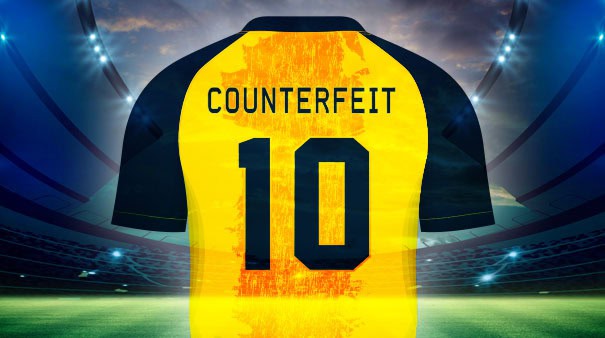
Ahead of World Cup 2026, counterfeit football merchandise is already appearing across social media and online marketplaces. This activity is not subtle.
Recent enforcement activity shows the scale. In 2026, more than 16,000 counterfeit football items were seized from a single operation supplying distribution channels. In the United Kingdom, more than 67,000 counterfeit shirts were seized in a single year through coordinated activity.
At a global level, counterfeit and pirated goods account for approximately $467B annually, equivalent to around 3.3% of global trade. From an intelligence perspective, the visibility of this activity is significant.
This case study demonstrates how Fivecast ONYX was used to collect, analyze, and connect counterfeit shirt activity ahead of World Cup 2026. The investigation shows how listings, seller behavior, and contact signals can be used to develop broader visibility of activity that often extends beyond a single platform.
What You’ll learn
- How counterfeit activity at scale can reveal patterns of coordination, not just volume
- Why references to WhatsApp, phone numbers, and messaging apps can signal off-platform movement
- What aggregated listings reveal about supply and distribution structures
- How contact identifiers can be used to expand investigations across platforms
- Why counterfeit activity is consistently associated with broader organized crime context
Who it’s for
- National security and intelligence teams
- Law enforcement and investigative units
- Fraud and financial crime analysts
- Corporate security and brand protection leaders
- Teams preparing for major events with increased online demand