

Understanding risks across the FIFA World Cup™ lifecycle
Over the coming weeks, Fivecast will unpack how digital threats emerge, evolve, and connect across a global event.
What this series covers

beyond the whistle
From early indicators through to post-event persistence, this series explores:
- Pre-event activity
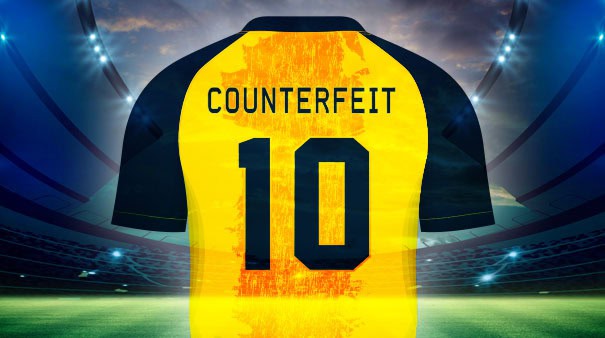
Ticket fraud, scams, and coordinated online behaviour as anticipation builds - Matchday dynamics
Real-time risk signals, surges in activity, and disruption patterns - Targeted threats
Activity directed at players, officials, and teams across digital channels - Public safety risks
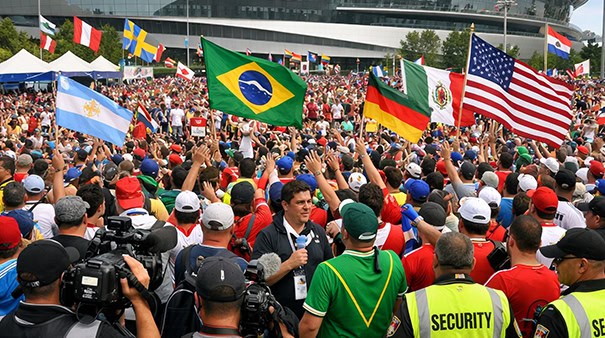
Signals linked to watch parties, gatherings, and fan environments - Criminal convergence
How financial crime, exploitation risks, and illicit networks surface and scale - Post-event networks
How threat actors adapt, persist, and reappear beyond the tournament
Register below for early access to the full series of world cup content
Register to access the full Beyond the Whistle series and stay ahead of what’s happening before, during, and beyond the event.
Why it matters?
Global events create high-volume, fast-changing digital environments. Signals don’t exist in isolation, they:
- Scale rapidly across platforms
- Connect across regions and communities
- Shift in response to real-world events
- Persist beyond the event lifecycle
Understanding these patterns is critical for teams responsible for security, investigations, and risk monitoring.
What you’ll access?
By registering, you’ll gain access to a month of exclusive Fivecast content, including:
- Expert insights into emerging patterns
- Practical approaches to monitoring large-scale events
- Real-world examples of how signals connect and evolve
- Analysis designed for intelligence, security, and investigation teams
- How large-scale events intersect with financial crime, exploitation risks, and human trafficking
request our World Cup content

Frequently Asked Questions
What types of fraud are linked to the FIFA World Cup 2026™?
Common risks include ticket scams, impersonation activity, coordinated online behavior, and broader forms of fraud that take advantage of demand, urgency, and event visibility. Fivecast’s World Cup resource specifically highlights ticket fraud, scams, impersonation, and coordinated online behavior across the event lifecycle.
When does World Cup-related fraud usually start?
World Cup-related fraud often begins well before match day, as demand builds around tickets, travel, official access, and event attention.
Why is early detection important for World Cup fraud?
Early detection helps teams identify suspicious behaviors, connect fragmented signals, and act before scams or coordinated activity scale further. Signals do not exist in isolation; they scale across platforms, connect across regions, and shift in response to real-world developments.
What are online threat signals during major sporting events?
Online threat signals can include suspicious listings, coordinated account activity, impersonation attempts, abnormal changes in behavior, and risk indicators linked to fan gatherings or targeted threats.
Who should monitor World Cup fraud and online threats?
This type of monitoring is relevant for intelligence teams, investigators, security teams, fraud teams, and organizations responsible for risk monitoring during major events.
